SpaceX Seeks Approval for 1 Million Solar-Powered AI Satellite Data Centers
Elon Musk's SpaceX has filed an unprecedented request with the FCC to launch up to one million solar-powered satellites designed to serve as orbital data centers for artificial intelligence—a move that could revolutionize computing infrastructure while raising significant concerns about space debris and regulatory feasibility.

A team of experts in digital technology and artificial intelligence. We bring current news and in-depth analysis from the world of AI.
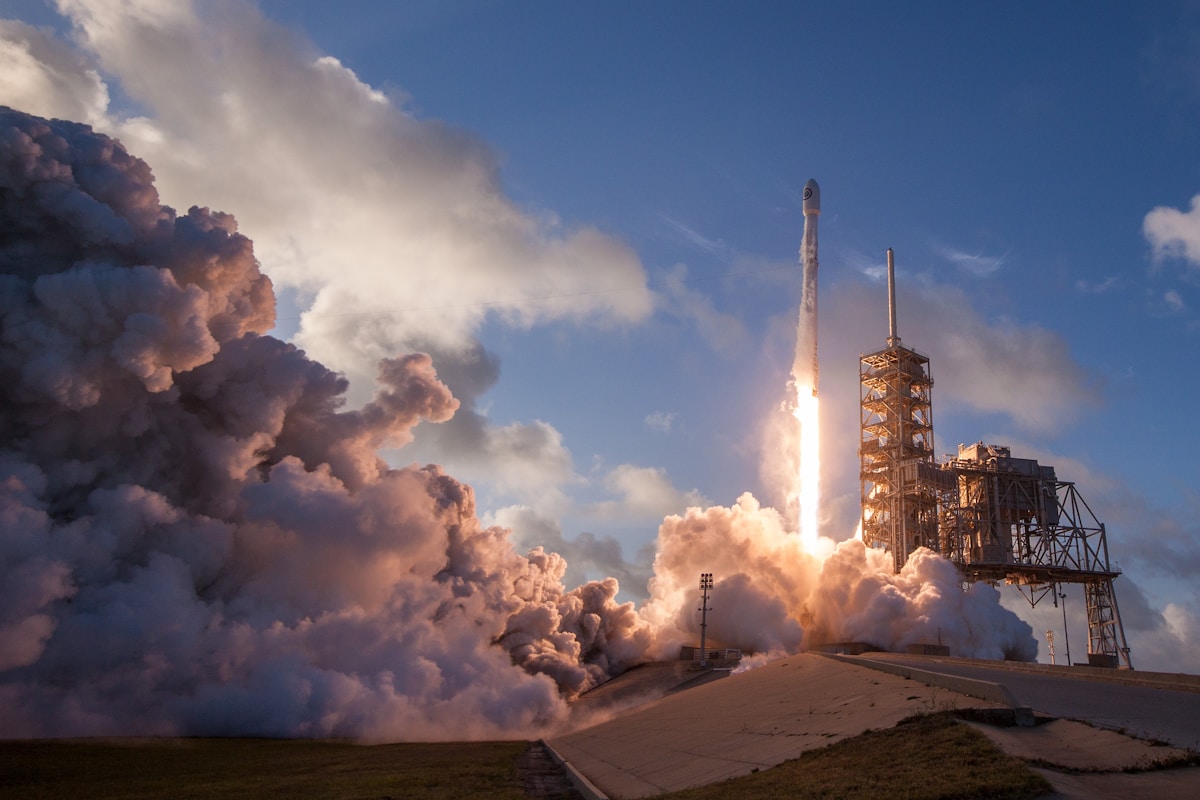
A Bold Vision: AI Computing in Orbit
SpaceX has submitted a formal request to the Federal Communications Commission (FCC) seeking approval to deploy a constellation of up to one million solar-powered satellites. Unlike the company's existing Starlink network focused on internet connectivity, these new satellites would function as orbital data centers specifically designed for artificial intelligence computing.
The filing represents one of the most ambitious space infrastructure proposals in history, dwarfing even the scale of the current Starlink constellation, which already comprises the majority of active satellites orbiting Earth.
Kardashev Scale Ambitions
In its FCC submission, SpaceX frames the project in extraordinarily grandiose terms. The company describes these orbital data centers as "the most efficient way to meet the accelerating demand for AI computing power." But the vision extends far beyond mere commercial computing needs.
SpaceX describes the satellite constellation as "a first step towards becoming a Kardashev II-level civilization—one that can harness the Sun's full power" while "ensuring humanity's multi-planetary future amongst the stars."
The Kardashev Scale is a method of measuring a civilization's level of technological advancement based on the amount of energy it can harness. A Type II civilization would be capable of harnessing all the energy output of its star—a feat requiring technology far beyond current human capabilities.
Why Space-Based AI Data Centers?
The concept of orbital computing infrastructure addresses several theoretical advantages over terrestrial data centers:
- Unlimited Solar Power: Satellites in high orbits can receive nearly continuous sunlight, eliminating the intermittency issues that plague Earth-based solar installations
- Natural Cooling: The vacuum of space provides an ideal environment for dissipating heat—one of the biggest challenges facing modern data centers
- No Land Constraints: Unlike terrestrial facilities that require massive land purchases and face local opposition, orbital infrastructure has virtually unlimited "real estate"
- Reduced Latency for Global Networks: A distributed satellite network could potentially reduce latency for global AI services
Regulatory Reality Check
Industry analysts suggest the one million satellite figure is almost certainly a negotiating tactic rather than a realistic near-term goal. The Verge argues that this number is "unlikely to be approved outright and is probably meant as a starting point for negotiations."
This interpretation aligns with SpaceX's history of ambitious regulatory filings. The FCC recently approved an additional 7,500 Starlink satellites but specifically stated it would "defer authorization on the remaining 14,988" that SpaceX had requested.
The Space Debris Challenge
Perhaps the most significant concern surrounding this proposal involves the already-critical issue of orbital debris. According to the European Space Agency, approximately 15,000 man-made satellites currently orbit Earth—and they're already creating substantial problems with pollution and debris.
The proposed addition of up to one million more objects in orbit would exponentially increase collision risks and could potentially trigger what scientists call Kessler Syndrome—a cascading chain reaction of collisions that could render certain orbital regions unusable for generations.
Competitive Dynamics: SpaceX vs. Amazon
The timing of SpaceX's filing is notable given the competitive pressure in the satellite internet sector. Amazon's Project Kuiper has been struggling to meet its deployment deadlines, with the company citing "a lack of rockets" as the primary constraint. Amazon is currently seeking an FCC extension on its deadline to have more than 1,600 satellites in orbit.
This contrast highlights SpaceX's fundamental advantage: vertical integration. While Amazon must rely on external launch providers (including, ironically, SpaceX's competitors), SpaceX can leverage its own Falcon 9 and upcoming Starship rockets to deploy satellites at a pace and cost that competitors cannot match.
The Musk Empire Consolidation
This filing comes amid unconfirmed media reports suggesting that SpaceX may be exploring a potential merger with other companies controlled by Elon Musk, including Tesla and xAI (which has already absorbed X, formerly Twitter). No formal plans or regulatory filings regarding such a consolidation have been announced. If such a merger were ever to materialize, it could create an unprecedented technology conglomerate spanning electric vehicles, social media, artificial intelligence, and space infrastructure.
The synergies are obvious: Tesla's battery technology could power satellites, xAI's models could run on orbital data centers, and SpaceX's rockets would provide the deployment capability. Whether regulators would approve such a merger remains highly uncertain.
What Happens Next?
The FCC now enters a review process that will likely take months or even years. Key considerations will include:
- Environmental impact assessments regarding orbital debris
- Spectrum allocation and potential interference with existing satellites
- International coordination through bodies like the International Telecommunication Union
- Technical feasibility reviews of the proposed satellite design
- National security considerations given the strategic importance of AI infrastructure
Regardless of whether the full million-satellite vision ever materializes, this filing signals SpaceX's intent to expand far beyond its current role as an internet service provider and rocket company. The intersection of space infrastructure and artificial intelligence may well define the next chapter of both industries.
FAQ
Frequently Asked Questions
Andigi Editorial
A team of experts in digital technology and artificial intelligence. We bring current news and in-depth analysis from the world of AI.
View all articles